How To Capitalize With Point Of Purchase Displays
How To Capitalize With Point Of Purchase Displays
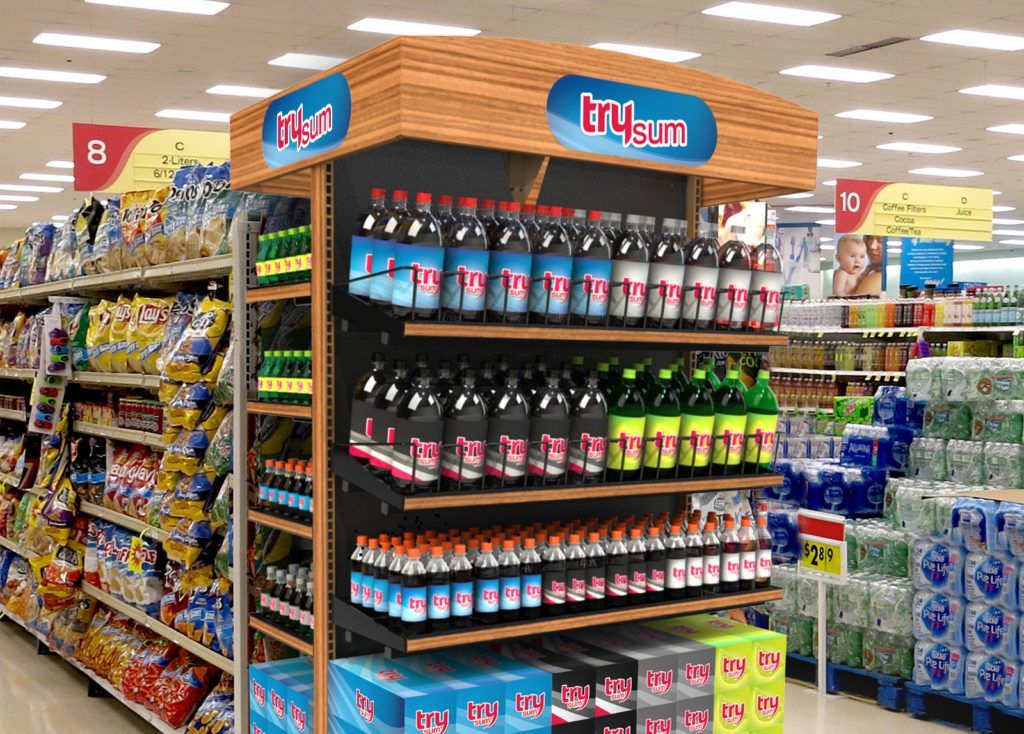
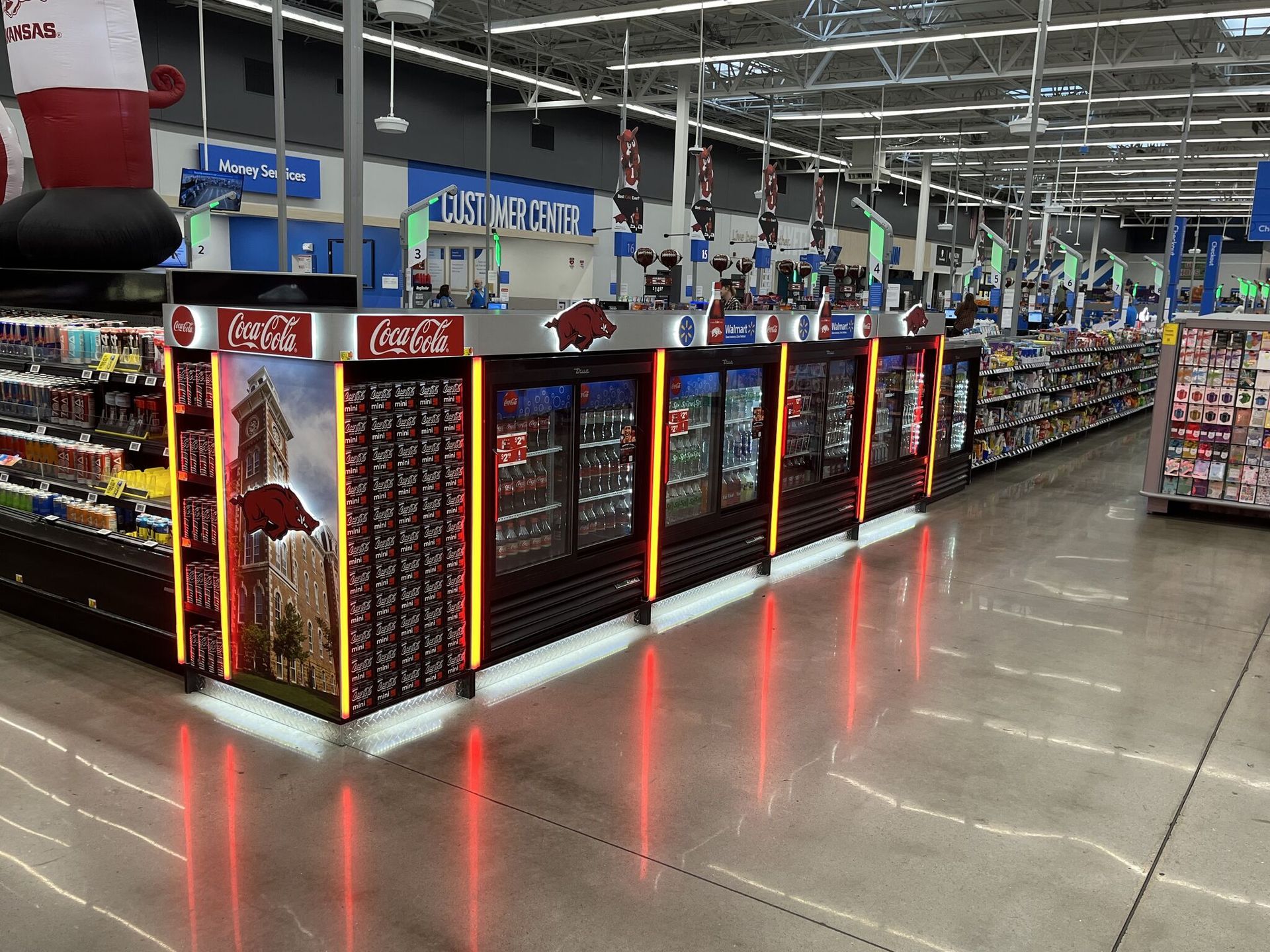
How To Capitalize With Point Of Purchase Displays. Point of purchase, known as POP in retail, is a crucial place where sales are made. Originally, POP displays were only located around or within the checkout area, meant to encourage shoppers to make impulse buys on small but high-margin items while they wait in line. Now, POP has evolved and retailers are beginning to use these displays in many areas of the store to increase basket sales.
POP displays bring attention to a brand, product or need through custom graphics and the impulse experienced with the shopping display . By showcasing the product or brand and highlighting the advantages of the sale, POP displays can make a huge impact on consumers at the moment they are making a buying decision. For instance, when a customer is in the produce section, he or she is obviously looking for produce. Product displays can be changed to highlight fruits and vegetables that are in season and on sale, including complimentary products (i.e. caramel for caramel apples in the fall). This idea can be carried over into other departments based on seasons, holidays, events, and more to attract customers who are looking for products that pair nicely.
The key to capitalizing on point of purchase displays is constant evolution. In order to stay relevant and impactful, you must change your displays continuously. Many of your in-store visitors will be repeat customers, so a display that has remained the same for weeks becomes ineffective. PFI has the POP solutions to increase your ROI and advance your sales.