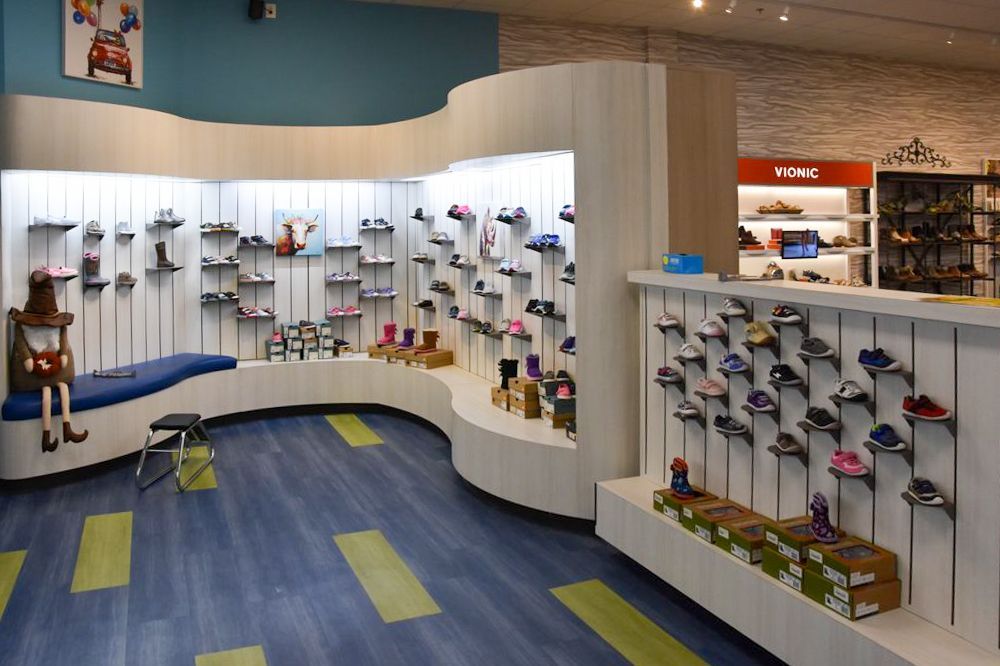
Using In-Store Displays to Strengthen Your Omnichannel Retail Strategy
Today's shoppers rarely follow a linear path to purchase. They may discover a product online, research it on their phone, visit a store to see it in person, and then complete the purchase digitally, or vice versa. As retail continues to evolve, successful brands are finding ways to connect these touchpoints into one cohesive experience.
In-store displays play a critical role in making that connection. When designed with intention, they can bridge the gap between physical and digital channels, reinforcing brand consistency while enhancing customer convenience and engagement.
The Role of In-Store Displays in an Omnichannel World
Omnichannel retail is about more than simply having both an online and physical presence. It's about creating a seamless, connected experience regardless of how or where customers engage with your brand.
In-store displays are no longer just fixtures that hold products. They are communication tools that guide customers, share information, and encourage interaction that extends beyond the store's four walls.
Integrating Mobile Access Through QR Codes
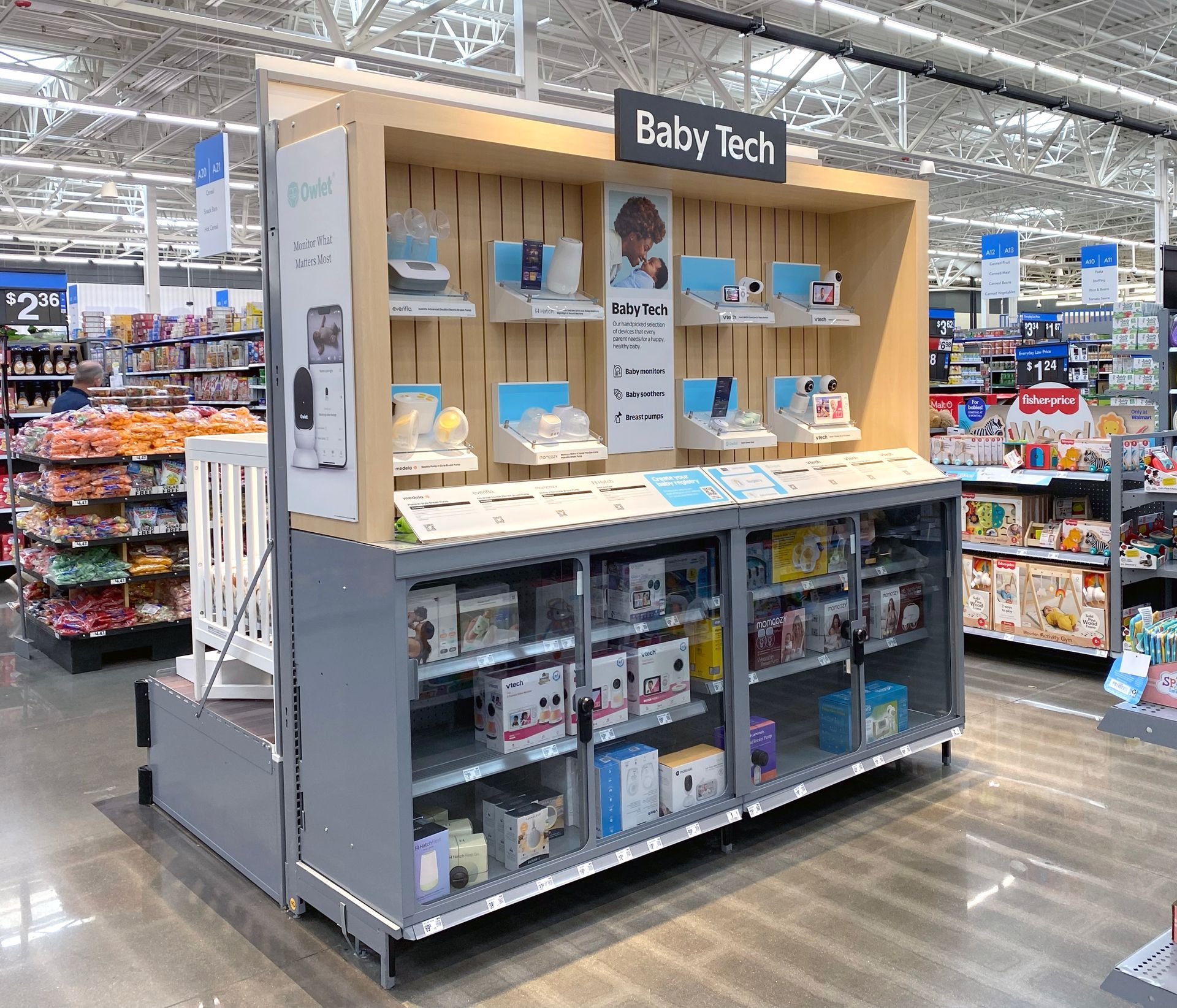
One of the simplest ways to connect in-store and online experiences is through QR code integration. Strategically placed QR codes on displays allow customers to instantly access additional content without relying on store staff.
QR codes can link shoppers to:
- Product specifications and features
- Customer reviews and testimonials
- How-to videos or demonstrations
- Online inventory and color or size variations
The key is clarity. Displays should clearly communicate what customers will gain by scanning, whether it's "See more options," "Watch a demo," or "Read reviews." When done right, QR codes empower customers and support self-guided shopping.
Using Interactive Displays to Enhance Engagement
Interactive displays take the cross-channel strategy a step further. Touchscreens, digital catalogs, and product comparison tools allow shoppers to explore options at their own pace while remaining in the physical store.
These tools are particularly effective for products that benefit from explanation or customization, such as technology, specialty goods, or premium consumer products. Interactive displays reduce friction, increase dwell time, and help shoppers feel confident in their decisions, all while reinforcing digital integration.
Digital Signage That Mirrors Online Campaigns
Digital signage offers flexibility that traditional signage can't match. Retailers can easily align in-store messaging with online promotions, social media campaigns, and seasonal marketing efforts.
When digital signage reflects the same messaging customers see online, it strengthens brand consistency and reduces confusion. Promotions feel more cohesive, and shoppers are reassured they're getting the same experience across every channel.
Supporting Buy Online, Pick Up In Store (BOPIS)
BOPIS continues to grow in popularity, and in-store displays play an important role in shaping that experience. Clear signage, intuitive wayfinding, and branded pickup areas make the process easier and more enjoyable for customers.
Well-designed pickup areas also present an opportunity. Strategic product placement near pickup zones can encourage impulse purchases and introduce customers to items they may not have considered online.
Maintaining Consistent Branding Across Channels
Consistency is the foundation of an effective omnichannel strategy. When in-store displays reflect the same colors, materials, tone, and messaging used online, customers experience a stronger sense of trust and recognition.
Custom displays make it easier to maintain this alignment, ensuring that physical environments reinforce, rather than dilute, a brand's digital presence.
Designing Displays With Data in Mind
Digital touchpoints within displays also create opportunities to gather valuable insights. Tracking QR scans, engagement with interactive screens, or online traffic driven from in-store interactions can help retailers understand what resonates most with customers.
These insights allow brands to refine both their merchandising strategy and their digital content, creating a feedback loop that continuously improves performance.
Common Cross-Channel Display Mistakes to Avoid
While technology can enhance displays, it should never overwhelm them. As you look to integrate this retail strategy, there are some common pitfalls to be aware of.
- Treating in-store and online experiences as separate efforts
- Overcomplicating displays with unnecessary tech
- Failing to update digital content regularly
- Using unclear calls to action
The goal is connection, not distraction.
In-Store Displays as Strategic Connectors
As retail continues to evolve, in-store displays are becoming powerful connectors between physical and digital experiences. When thoughtfully designed, they support customer journeys, reinforce brand identity, and strengthen omnichannel strategy.
Connect With PFI InStore
At PFI InStore, we help retailers design and implement display solutions that work seamlessly across channels, turning physical environments into active, engaging extensions of the digital experience.
Contact us today to explore how our innovative solutions can transform your retail space and drive sales in this ever-changing industry.