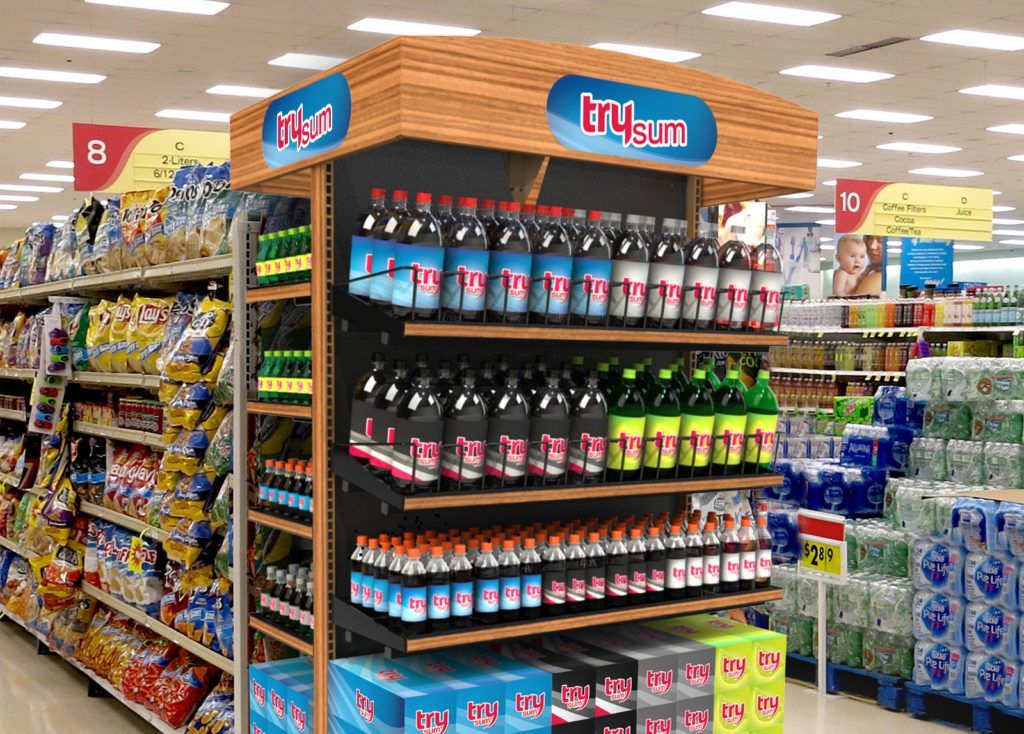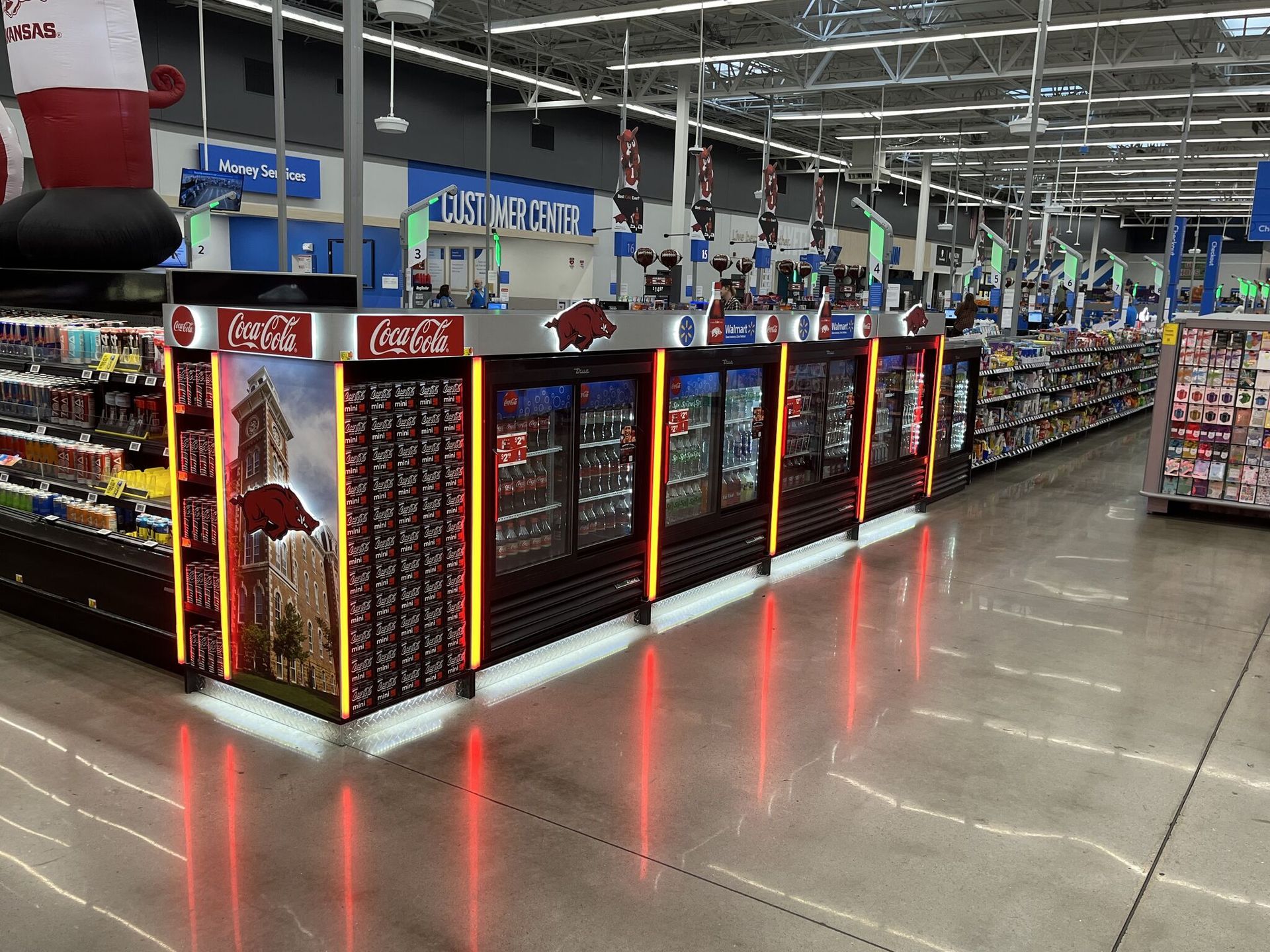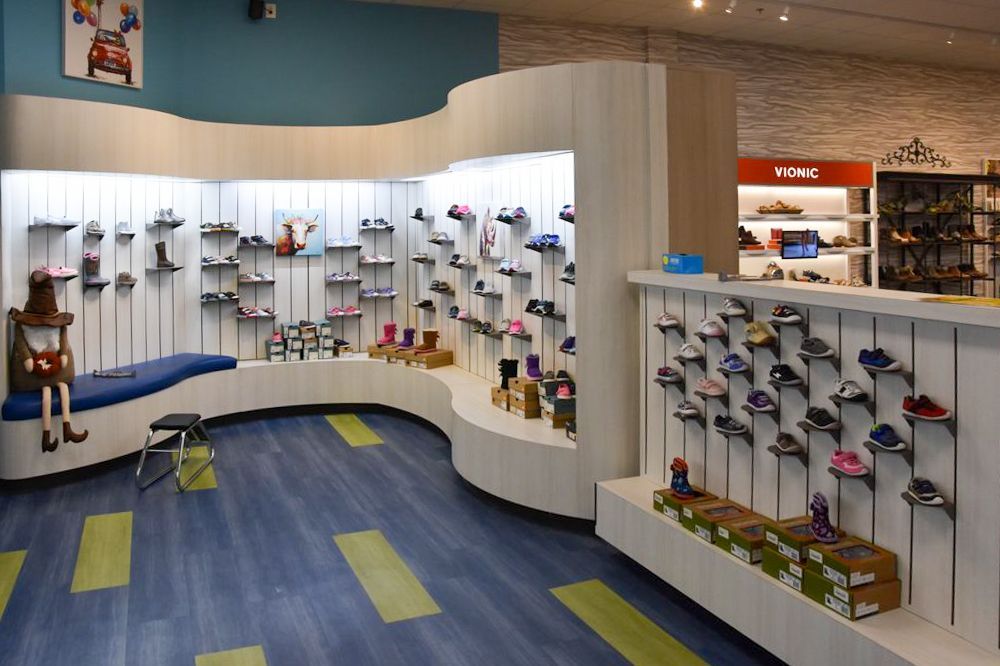
How Merchandising Decisions Affect Basket Size
Merchandising decisions directly affect basket size by influencing what shoppers notice, how products relate to each other, and how easy it is to add one more item.
When displays are planned with shopper behavior in mind, customers naturally buy more. When merchandising lacks strategy, shoppers stick to their original list and move on.
Basket size does not grow by accident: it grows through intentional placement, product relationships, and clear visual cues.
What Is Basket Size and Why Does It Matter?
Basket size refers to the number of items or total value a shopper purchases in a single trip. Increasing basket size is one of the most efficient ways to grow revenue without increasing foot traffic.
Strong merchandising:
- Encourages additional items per purchase
- Supports impulse decisions
- Increases overall sales per visit
- Improves return on merchandising investment
Small changes in how products are presented can lead to meaningful gains across thousands of transactions.
How Merchandising Influences Buying Decisions in the Moment
Most in-store purchasing decisions are made on the spot. Merchandising shapes those decisions by guiding attention and reducing friction.
Effective merchandising does three things:
- Makes products easy to find
- Shows how items work together
- Signals when a product is worth adding now
When these signals are clear, shoppers feel confident adding items to their basket rather than walking away unsure.
Why Product Placement Matters More Than Product Count
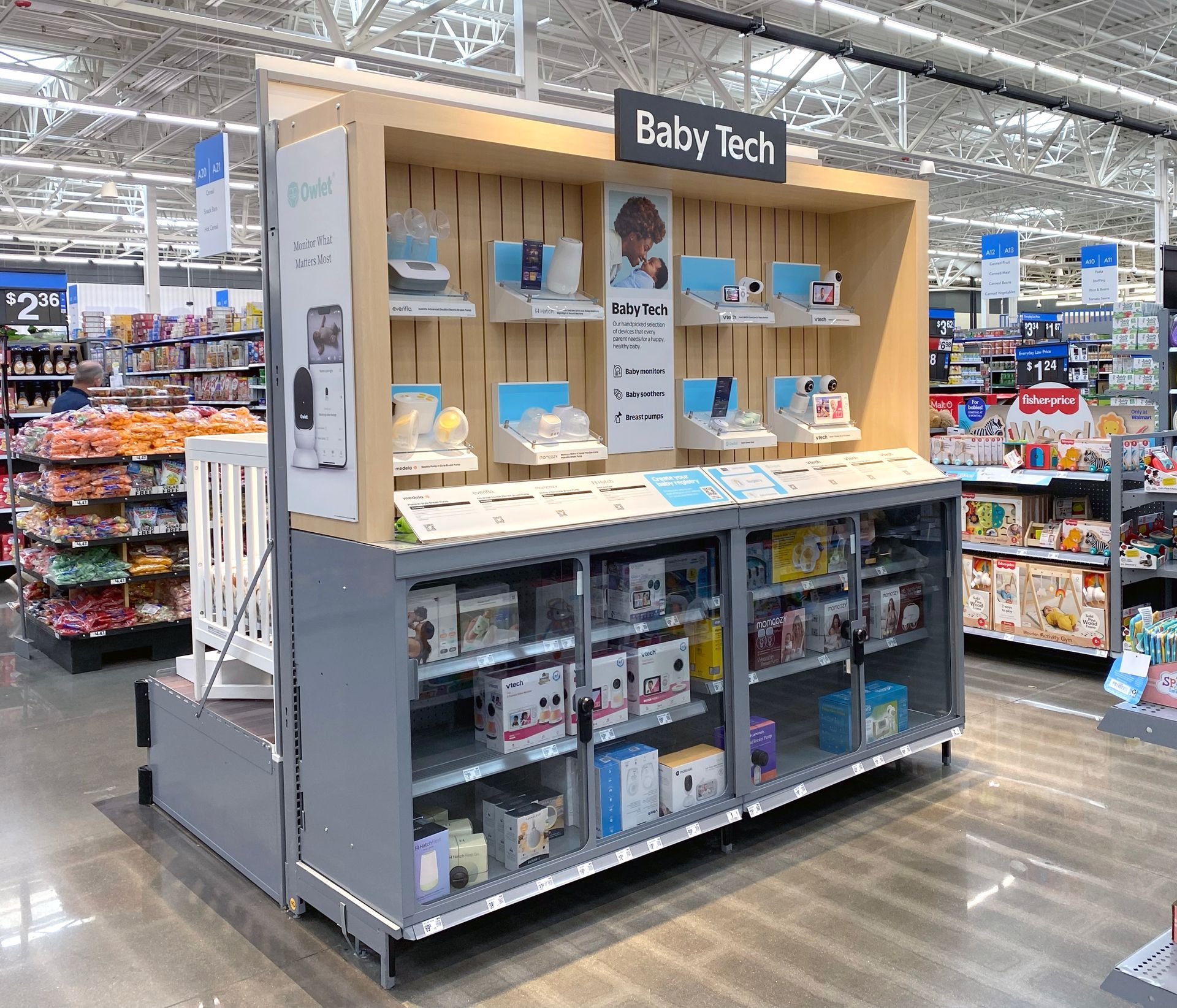
Interactive displays take the cross-channel strategy a step further. Touchscreens, digital catalogs, and product comparison tools allow shoppers to explore options at their own pace while remaining in the physical store.
These tools are particularly effective for products that benefit from explanation or customization, such as technology, specialty goods, or premium consumer products.
Interactive displays reduce friction, increase dwell time, and help shoppers feel confident in their decisions, all while reinforcing digital integration.
How Cross-Merchandising Increases Basket Size
Cross merchandising connects products that shoppers are likely to use together. When done correctly, it removes the mental step of remembering or searching for an add-on item.
Examples include:
- Beverages placed near snacks
- Accessories displayed next to core products
- Seasonal items paired with everyday essentials
These groupings feel helpful rather than pushy, which leads to higher acceptance and larger baskets.
The Role of Impulse Displays in Basket Growth
Impulse displays work because they catch attention when shoppers are already engaged. Placement near checkout or along transition zones captures those last-minute decisions.
Effective impulse merchandising:
- Uses minimal messaging
- Highlights convenience or value
- Keeps products within easy reach
Impulse additions often feel small individually, but they significantly increase average transaction value over time.
Why Cluttered Merchandising Reduces Basket Size
More displays do not always lead to better results. Overcrowded stores can overwhelm shoppers and shorten their visit.
When displays compete for attention:
- Key products get lost
- Shoppers rush decisions
- Basket size stagnates or declines
Clean, focused displays help customers see value quickly and confidently add items to their basket.
How Merchandising Hierarchy Guides Purchasing Behavior
Hierarchy tells shoppers what to look at first, second, and third. Without hierarchy, everything feels equal, and nothing stands out.
Strong hierarchy includes:
- A clear hero product
- Supporting items nearby
- Simple messaging that explains the connection
This structure helps shoppers understand why adding another item makes sense.
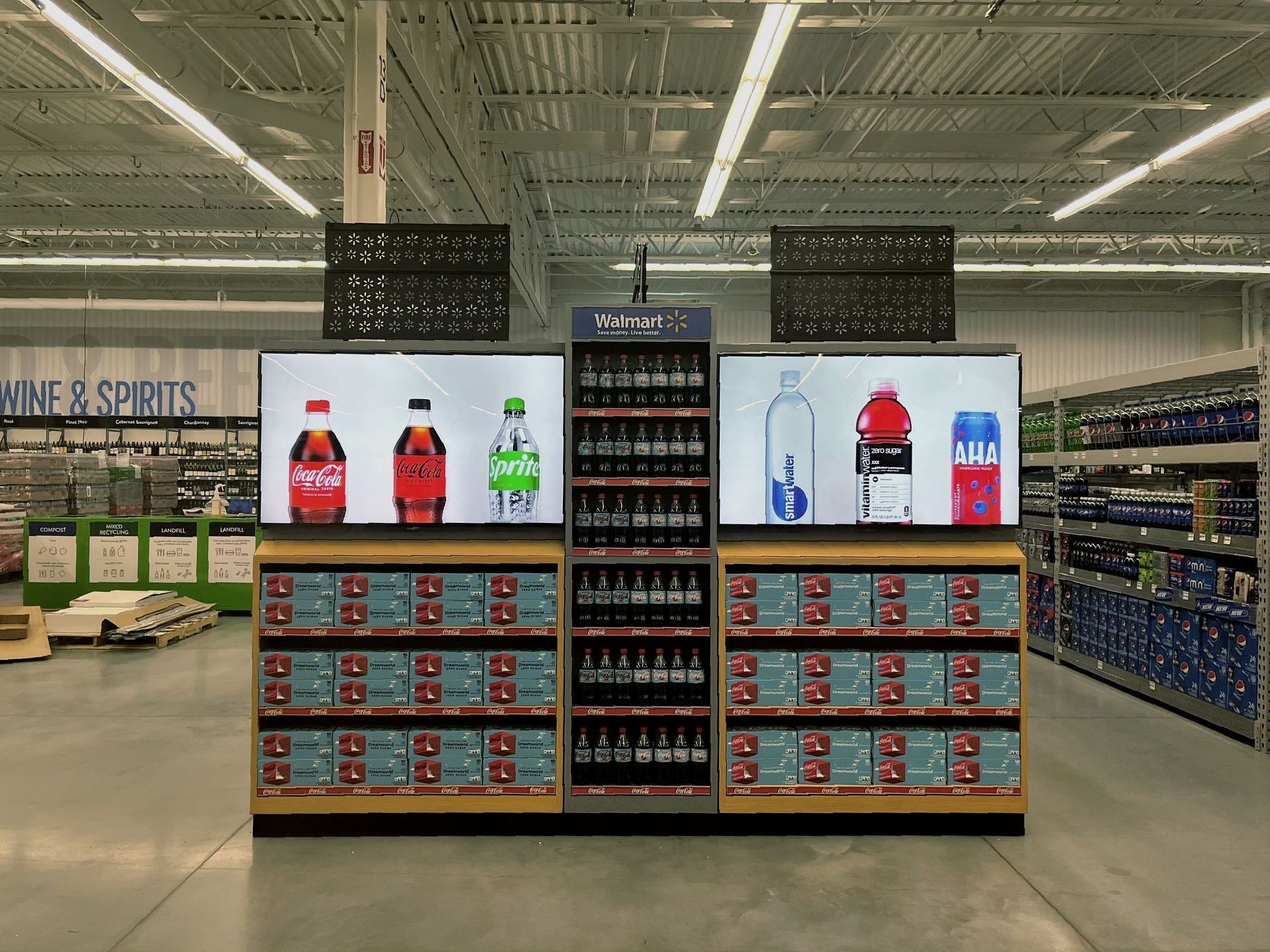
The Impact of Display Flexibility on Basket Size
Retail environments change quickly. Displays that can adapt to seasonal shifts, promotions, or new products help brands maintain relevance and momentum.
Flexible merchandising allows:
- Fast resets
- Targeted promotions
- Ongoing basket optimization
Static displays often miss opportunities to capitalize on trends or changing shopper needs.
How PFI InStore Helps Brands Design Merchandising for Performance
At PFI InStore, we design in-store merchandising solutions with performance in mind. That means thinking beyond display aesthetics to understand how placement, product relationships, and shopper behavior influence basket size.
Merchandising is not just about visibility. It is about guiding decisions, supporting add-on purchases, and creating moments that naturally encourage customers to buy more.
Contact us today to explore how our innovative solutions can transform your retail space and drive sales in this ever-changing industry.